Understanding the Legal Side of the Creative Industry
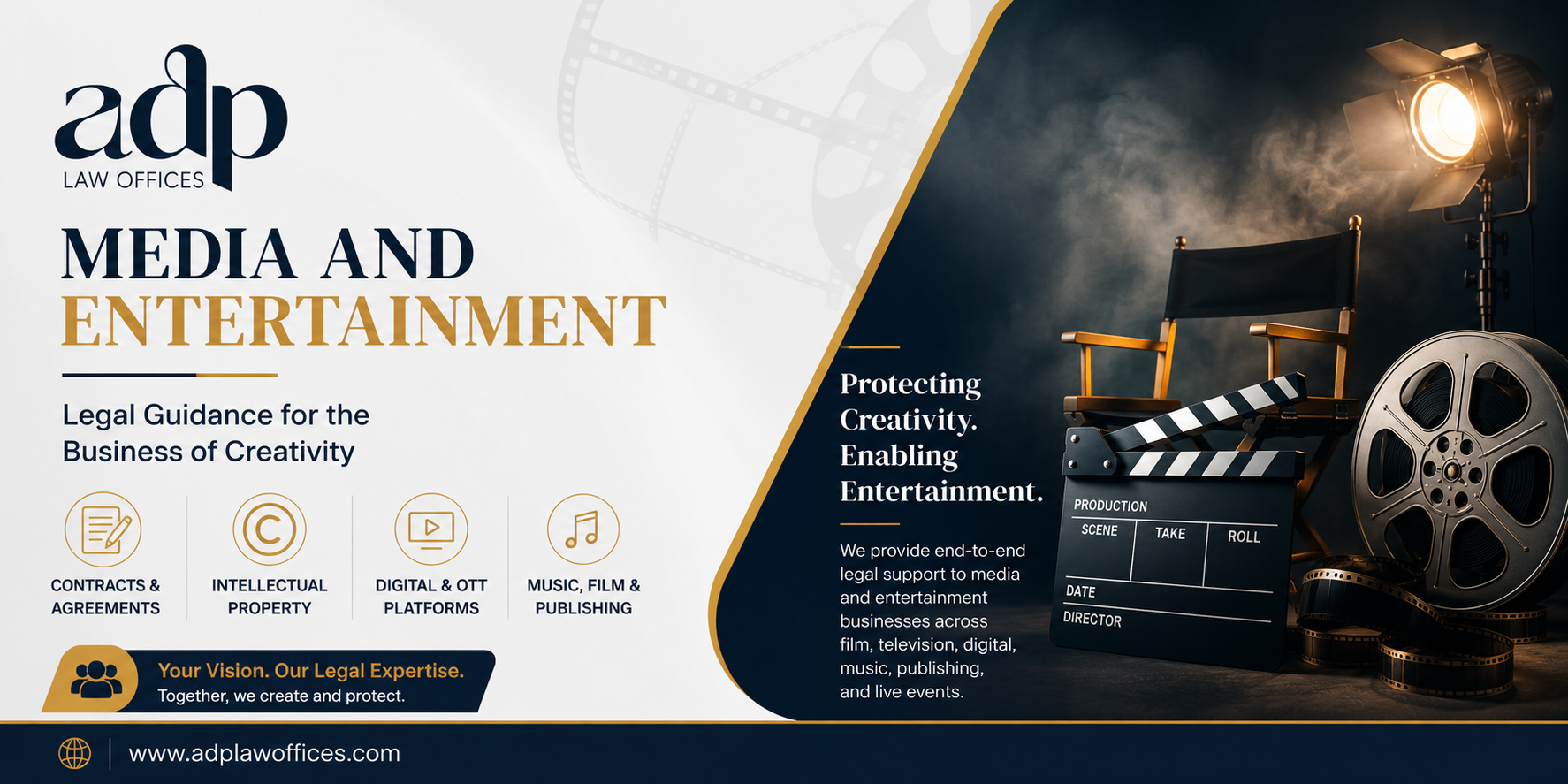
Why Legal Support Matters in Creative Businesses
The creative industry thrives on original ideas, artistic expression, and valuable intellectual assets. Whether it involves films, music, digital platforms, television, publishing, or online content, every creative project represents significant effort and investment. Protecting these assets is essential for ensuring long-term commercial success and preventing unnecessary legal disputes.
As the industry continues to evolve with new technologies and digital distribution channels, businesses and creators must address legal responsibilities alongside creative ambitions. This is where Media and Entertainment legal services become important, helping creators and organizations protect their work while supporting business growth in a competitive market.
Protecting Creative Works
Original content is often the most valuable asset for creators and production companies. Copyrights and trademarks help establish ownership while preventing unauthorized use of creative material.
Protecting these rights is not limited to registration alone. Businesses also need to monitor their intellectual property, identify potential risks, and take appropriate action whenever misuse occurs. A proactive approach helps preserve both commercial value and brand reputation.
Whether it involves films, music, artistic works, television productions, or digital content, safeguarding intellectual property provides creators with greater confidence when expanding their reach and exploring new opportunities.
The Importance of Well-Drafted Agreements
Every creative project involves multiple stakeholders, making clear agreements essential from the beginning. Production arrangements, licensing agreements, distribution contracts, sponsorships, collaborations, and talent engagements all require careful documentation.
Well-prepared contracts define responsibilities, protect commercial interests, and reduce the possibility of misunderstandings. They also establish clarity regarding ownership, usage rights, financial obligations, and project timelines.
Strong contractual documentation allows creative professionals to focus on their work while maintaining confidence that their legal interests are protected throughout the project.
Navigating Regulatory Requirements
The media industry continues to change as digital platforms, online streaming services, and new content formats become more common. Along with these developments come evolving legal and regulatory expectations.
Organizations involved in content creation or distribution must understand applicable requirements relating to broadcasting, digital platforms, content standards, and commercial operations. Remaining informed about these obligations helps businesses reduce compliance risks and maintain uninterrupted operations.
Regular legal reviews also help organizations adapt to regulatory changes without disrupting their ongoing projects or commercial activities.
Resolving Industry Disputes
Disagreements can arise at various stages of a creative project. Questions involving ownership, royalty distribution, licensing terms, contractual obligations, or unauthorized use may affect both operations and business relationships.
A structured dispute resolution process allows parties to address conflicts efficiently while protecting their legal rights. Depending on the circumstances, matters may be resolved through negotiation, mediation, arbitration, or formal legal proceedings.
Early intervention often helps preserve commercial relationships while reducing the time and expense associated with prolonged disputes.
Supporting Long-Term Growth
Legal planning is not limited to solving existing issues. Businesses that establish strong legal foundations from the beginning are often better positioned for long-term growth.
Protecting intellectual property, maintaining clear contracts, and following applicable regulations provide stability as organizations expand into new markets, launch fresh content, or enter commercial collaborations.
A well-planned legal framework allows creators, production companies, distributors, and digital platforms to pursue opportunities with greater confidence while minimizing potential legal risks.
The importance of Media and Entertainment legal guidance continues to grow as technology reshapes the way content is created, distributed, and consumed across the industry.
Conclusion
Success in the creative industry depends not only on innovation but also on protecting the legal rights that support it. Intellectual property protection, carefully drafted agreements, regulatory compliance, and effective dispute resolution all contribute to sustainable business growth.
With practical legal guidance across these areas, Adp Law Offices supports creators, production houses, digital platforms, and entertainment businesses in protecting their commercial interests. Through a structured and business-focused approach, Adp Law Offices helps clients confidently navigate the legal aspects of an evolving creative industry.
Key Points
- Intellectual property protection for creative works
- Drafting and review of commercial and licensing agreements
- Guidance on regulatory compliance and digital content laws
- Legal support for production, distribution, and collaborations
- Assistance with dispute resolution and enforcement matters
FAQs
1. Why is legal support important in the media industry?
It helps protect creative works, manage contracts, reduce legal risks, and support compliance with applicable regulations.
2. What types of agreements are common in media and entertainment?
Production agreements, licensing contracts, talent agreements, sponsorship arrangements, collaboration agreements, and distribution contracts are commonly used.
3. Why is intellectual property protection important for creators?
It helps establish ownership, prevents unauthorized use, and protects the commercial value of creative works.
4. How can businesses reduce legal risks in media projects?
By maintaining clear contracts, protecting intellectual property, following regulatory requirements, and addressing disputes promptly.
5. What role does dispute resolution play in the entertainment industry?
It helps resolve disagreements involving ownership, royalties, contracts, and licensing while protecting business interests and commercial relationships.


Comments
Post a Comment