Building Strong Business Compliance with Effective Legal Policies
Why Legal Policies Matter for Every Business
Running a business today involves more than delivering products or services. Every organization must also ensure that its operations follow applicable legal requirements and maintain clear standards for customers, employees, and business partners. Well-prepared legal policies provide this foundation by defining responsibilities, setting expectations, and reducing the possibility of disputes.
As businesses continue to expand their digital presence and manage increasing volumes of information, legal documentation has become an essential part of day-to-day operations. Whether it relates to customer interactions, employee conduct, website usage, or data management, properly drafted policies help organizations operate with greater confidence and transparency.
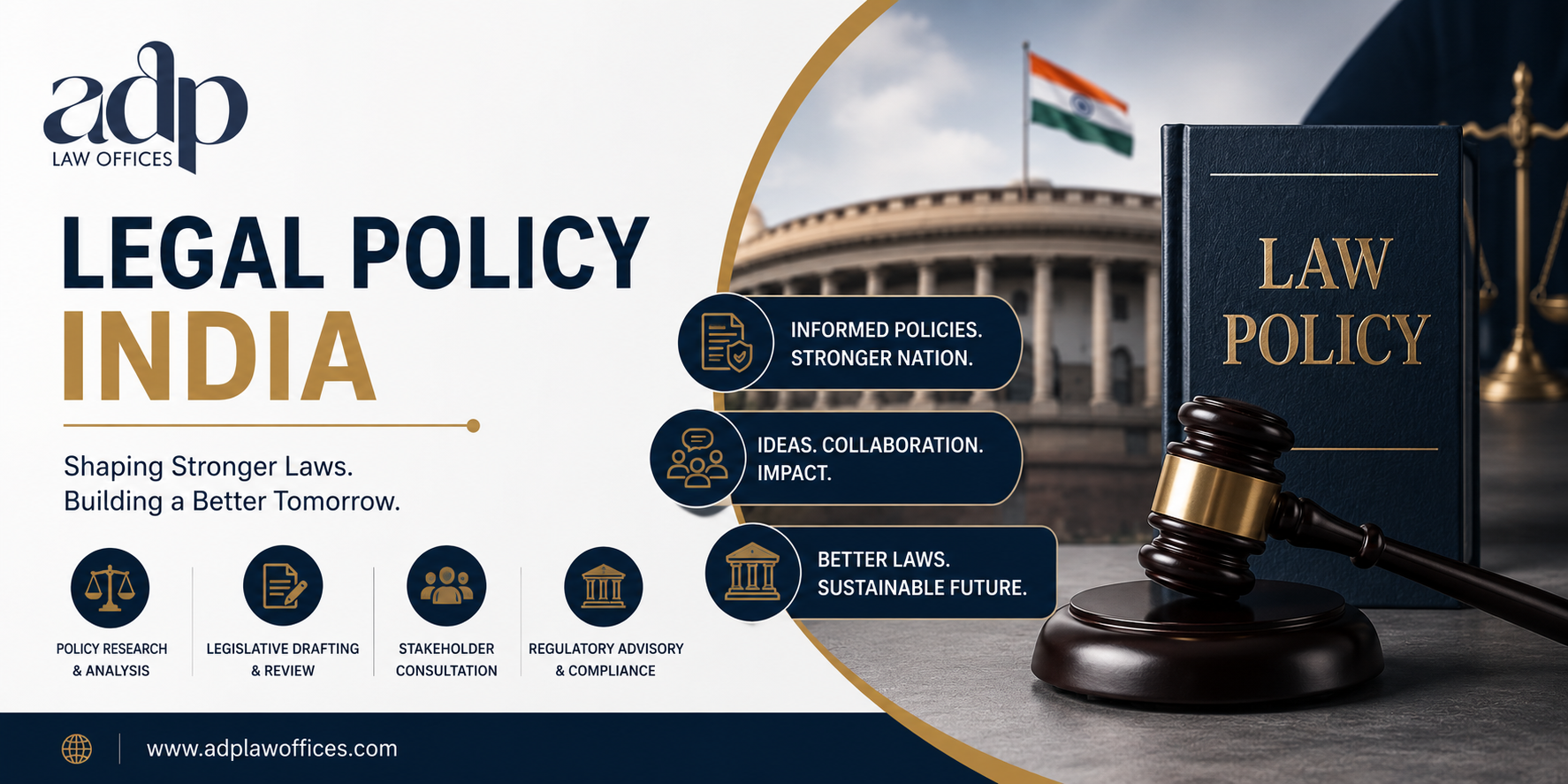
This is why Legal policy India plays an important role in supporting businesses across different industries by establishing clear compliance frameworks that align with regulatory requirements.
Creating a Strong Compliance Framework
Every business has unique operational requirements, and legal policies should reflect those specific needs. A standard approach rarely addresses every legal obligation or business objective. Instead, policies should be carefully prepared to support the organization's activities while remaining consistent with applicable laws.
A comprehensive policy framework may include documents governing customer interactions, internal procedures, website operations, and business practices. Clear documentation helps reduce uncertainty while providing guidance for employees and stakeholders.
Well-structured policies also demonstrate accountability and promote consistency across business operations.
The Importance of Data Protection Policies
Organizations that collect or process personal information carry important responsibilities regarding how that information is managed. Privacy and data protection have become major areas of compliance as businesses increasingly rely on digital platforms.
Clear privacy policies, cookie policies, and data retention practices help explain how information is collected, stored, and used. These documents also support transparency by helping users understand their rights and the organization's responsibilities.
Businesses that regularly review their privacy practices are better prepared to adapt to changing legal expectations while maintaining customer confidence.
Internal Policies Support Better Governance
Legal policies are equally important within an organization. Internal documentation provides employees with clear guidance regarding workplace expectations, professional conduct, and responsible use of business resources.
Policies covering workplace behavior, information technology usage, and corporate governance contribute to a more structured working environment. They also help organizations reduce operational risks by promoting consistency and accountability throughout the business.
Maintaining updated internal policies supports better decision-making and strengthens organizational governance over time.
Website and E-Commerce Compliance
Businesses operating online require legally sound documentation to support customer interactions and digital transactions. Terms of service, refund policies, payment terms, and website disclaimers all contribute to a transparent business relationship.
Clearly written policies help customers understand their rights and obligations while reducing the possibility of misunderstandings. They also support businesses in maintaining compliance with applicable consumer protection and digital commerce requirements.
As online business models continue to evolve, reviewing website policies on a regular basis helps ensure they remain relevant and effective.
Keeping Policies Up to Date
Legal requirements are not static. Regulatory changes, business expansion, and evolving operational practices often require organizations to review and update their legal documentation.
Regular policy reviews help identify outdated provisions and ensure that documentation continues to reflect current legal obligations. Businesses that update their policies proactively are often better prepared to respond to changing regulatory expectations without disrupting daily operations.
A well-maintained compliance framework supports long-term business stability and strengthens relationships with customers, employees, and stakeholders.
Conclusion
Legal policies provide the structure businesses need to operate responsibly while meeting regulatory obligations. From privacy documentation and internal governance to website compliance and policy reviews, every aspect contributes to a stronger compliance framework and more transparent business practices.
With practical legal guidance and business-focused support, ADP Law Offices assists organizations in developing, reviewing, and maintaining effective legal documentation that reflects current legal requirements. By working with ADP Law Offices, businesses can strengthen compliance, improve transparency, and build a solid foundation for sustainable growth.
Key Points
- Comprehensive legal policy drafting and review
- Privacy, cookie, and data retention policy support
- Internal workplace and IT policy development
- Website terms, refund policies, and compliance documentation
- Periodic policy reviews to reflect legal updates
FAQs
1. Why are legal policies important for businesses?
Legal policies establish clear rules, support regulatory compliance, reduce legal risks, and improve transparency with customers and employees.
2. Which policies are commonly required for businesses?
Businesses commonly maintain privacy policies, terms of service, refund policies, cookie policies, data retention policies, and internal workplace policies.
3. Why should legal policies be updated regularly?
Regular updates ensure policies remain aligned with changing laws, business operations, and regulatory requirements.
4. How do website policies help businesses?
Website policies clarify user rights, business responsibilities, and transaction terms while supporting compliance with applicable laws.
5. How do internal policies benefit an organization?
Internal policies promote consistent workplace practices, strengthen governance, reduce operational risks, and provide clear guidance for employees.
Comments
Post a Comment